Your Questions.
Answered.
What You Could Earn
According to the Occupational Information Network, the median wage for a bench worker in the United States is $22.66 hourly, $47,140 annually. Ranges vary across states, from an average of $62,380 in Washington State to $31,080 in South Dakota.
In the current job market, with an increase in the trend toward customized jewelry and the planned retirement of many Baby Boomers, salaries are increasing. Jewelers in the field tell us that’s because demand for jewelry makers is outstripping supply.
The bottom line? Bench salaries vary according to what region of the country you’re in, as well as your skill level. An entry-level bench jeweler should not expect what a master makes, but with hard work, increasing skill, and the continuous on-the-job learning most bench jewelers receive, you can expect your salary to rise.
Where You Could Work
Whether you're working in a retail store, a trade shop, or a manufacturing or design facility, most people would agree: A jeweler's workshop is a pretty great place to hang out.
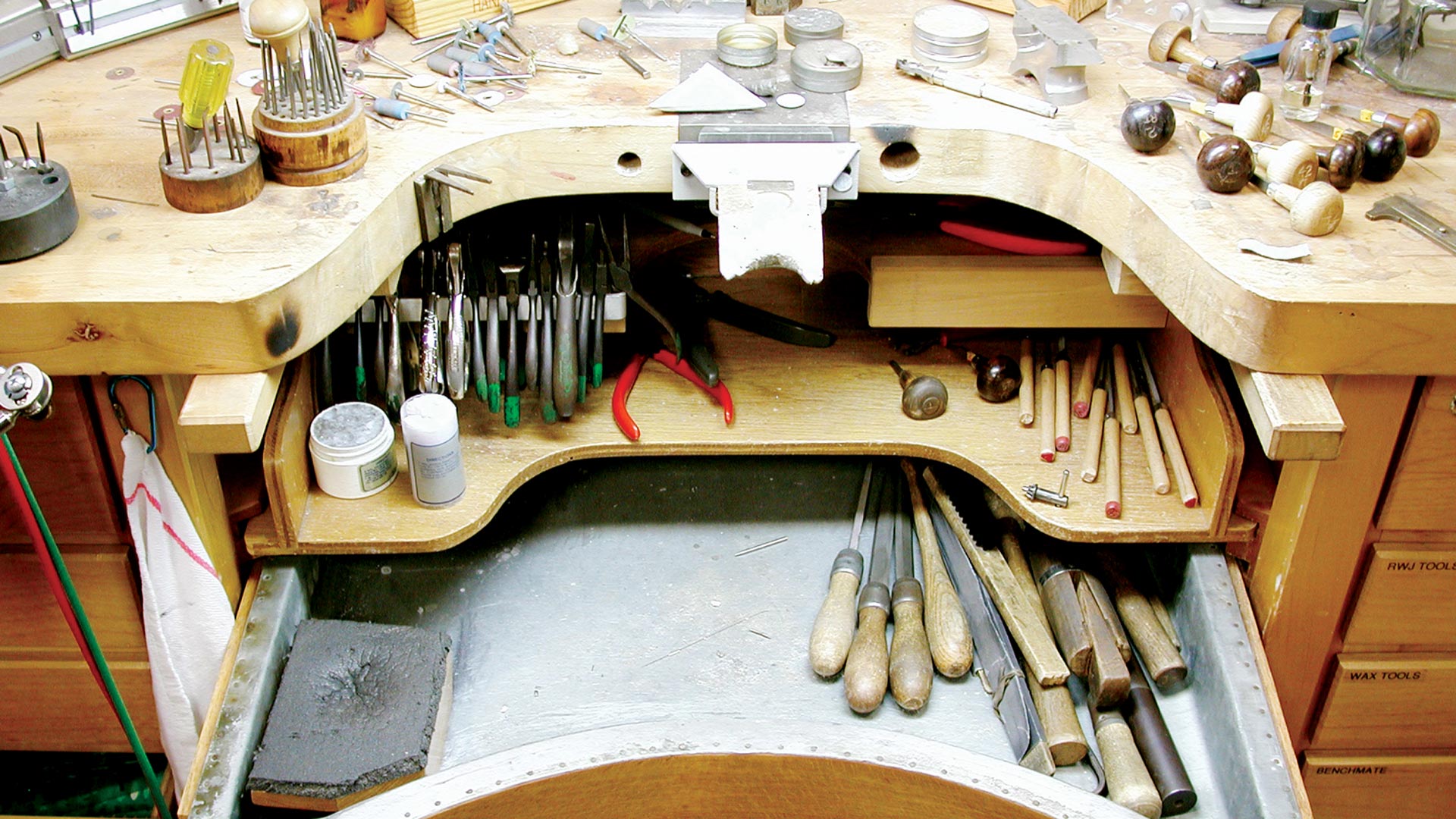
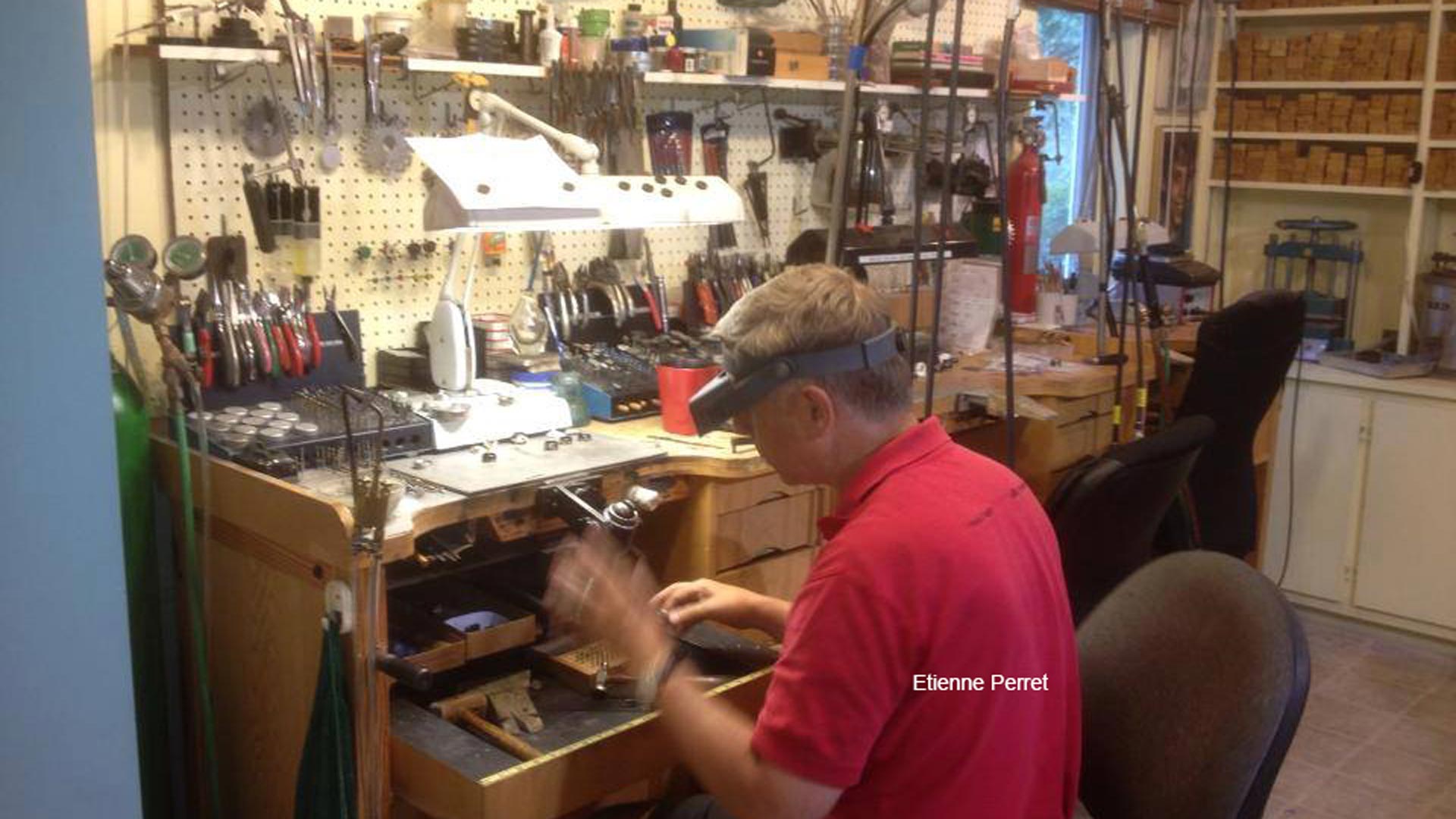
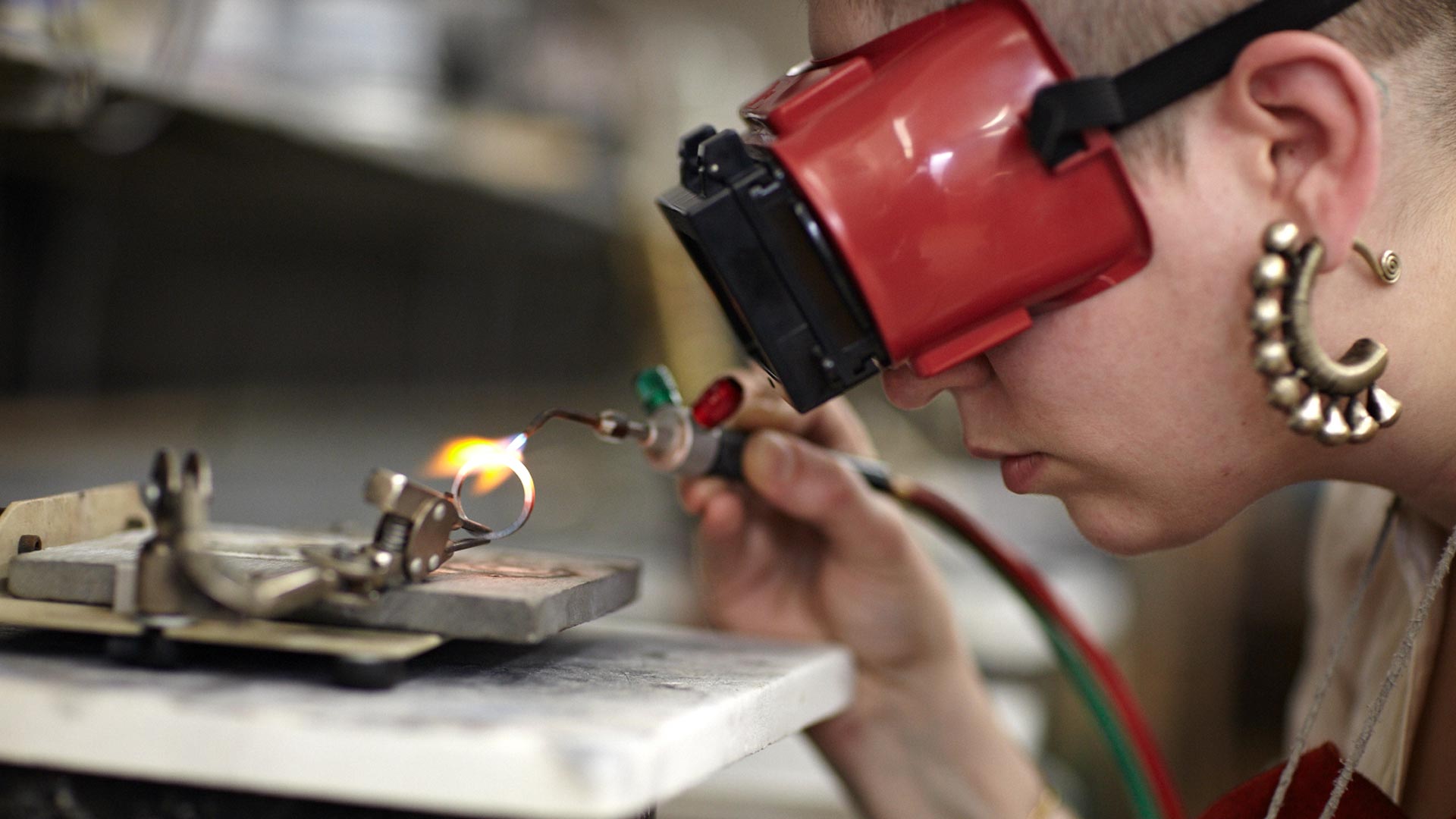
- Jewelers spend a lot of time at a workbench, using different tools. They often enlarge their work using magnifying headpieces or microscopes.
- Computers are also becoming an increasingly important tool in the jewelry industry as computer-aided design (CAD) and computer-aided manufacturing (CAM) save time and resources.
- Many tools and machines, such as jeweler’s torches and lasers, must be handled carefully to avoid injury. Safety practices are important when handling chemicals or using sharp or pointed tools. Safety equipment such as shoes, glasses, gloves, or hearing protection can be used.
- Jewelers can work alone, but often have fellow workers with whom they share ideas and techniques. In retail stores, they may talk with customers about repairs or help them with custom design work, and even do some selling.
- Jewelers must also follow strict security procedures to safeguard their highly valuable materials. In larger businesses, they may be working in the presence of security guards.
- Jewelers work inside, usually in climate-controlled environments. You’ll be warm in cold weather, cool when it’s hot outside.
Basic Skills You Need
If you have the following skills and abilities, you would make a great jeweler!
- An eye for detail. Creating jewelry requires concentration and patience. Bench jewelers must give attention to large and small details on the pieces they make.
- Arm and hand steadiness and control, plus finger dexterity. Jewelers must precisely move their fingers in order to grasp, manipulate, and assemble very small objects.
- 3-D visualization skills. Jewelers must imagine how something might look after its shape is altered or when its parts are rearranged. The ability to "see" a design in three dimensions helps.
- Customer service skills. Not all jewelers interact with the public, but increasingly, this skill is important. Jewelers who work for a design or retail firm that hires designers and sales associates to work directly with customers may not have significant customer interaction. But given the growth of custom and customized jewelry, an increasing number of jewelers will benefit from this skill in the future.
- Artistic ability and a knowledge of popular jewelry styles. This is helpful if you will be working with customers. However, many bench jewelers are not designers and simply execute designs made by others.
- A strong sense of integrity and honesty. Jewelers work with some of the most valuable materials in the world. Because of this, you will find that most jewelry businesses include a security screening as part of employment.
No Day is Typical
One of the most desirable things about being a jeweler is that no day is the same as the day before. You will always be learning new things, solving new problems, creating something different. Some of the tasks you will do in your job include:
- Create jewelry from gold, silver, platinum, and precious gemstones.
- Shape metal to hold the gems when making individual pieces.
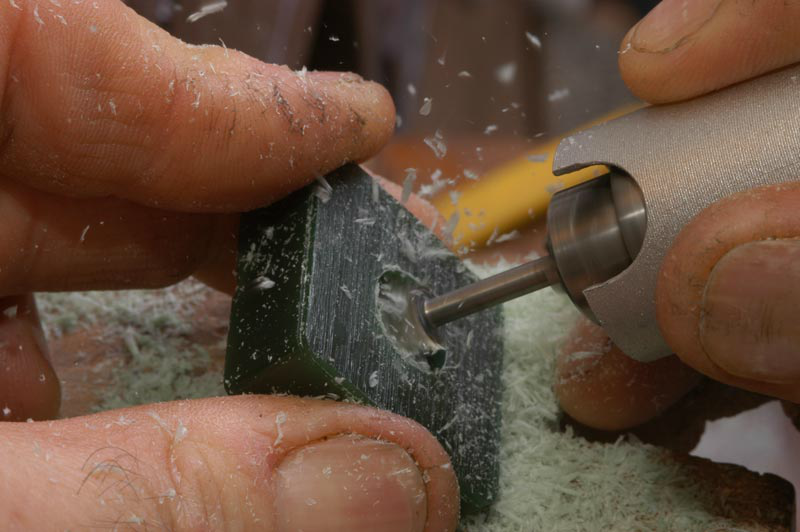
- Carve models from wax by hand, or use CAD/CAM (computer-aided design/computer-aided manufacturing) to build them.
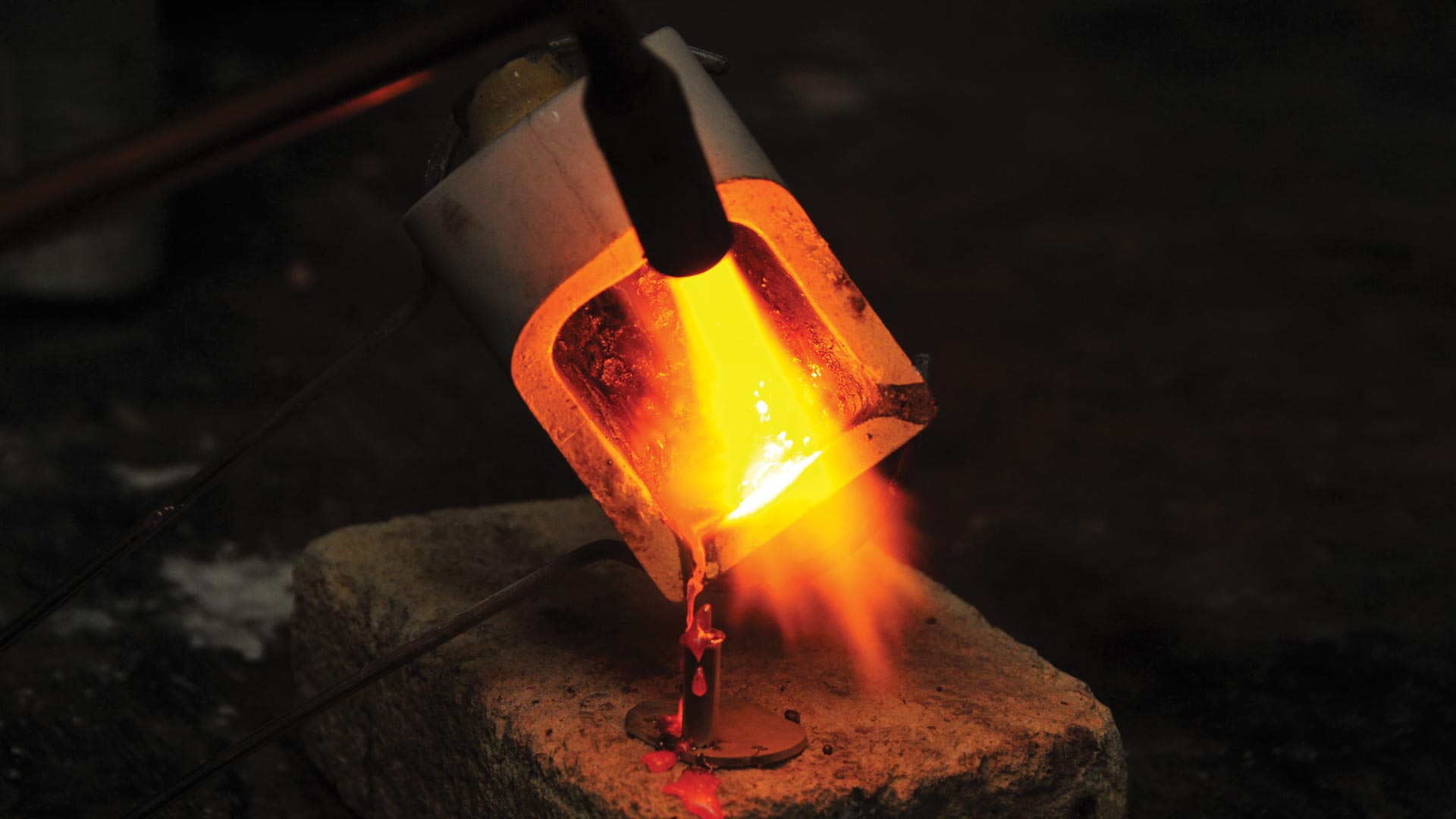
- Cast models into metals using the lost-wax casting process.
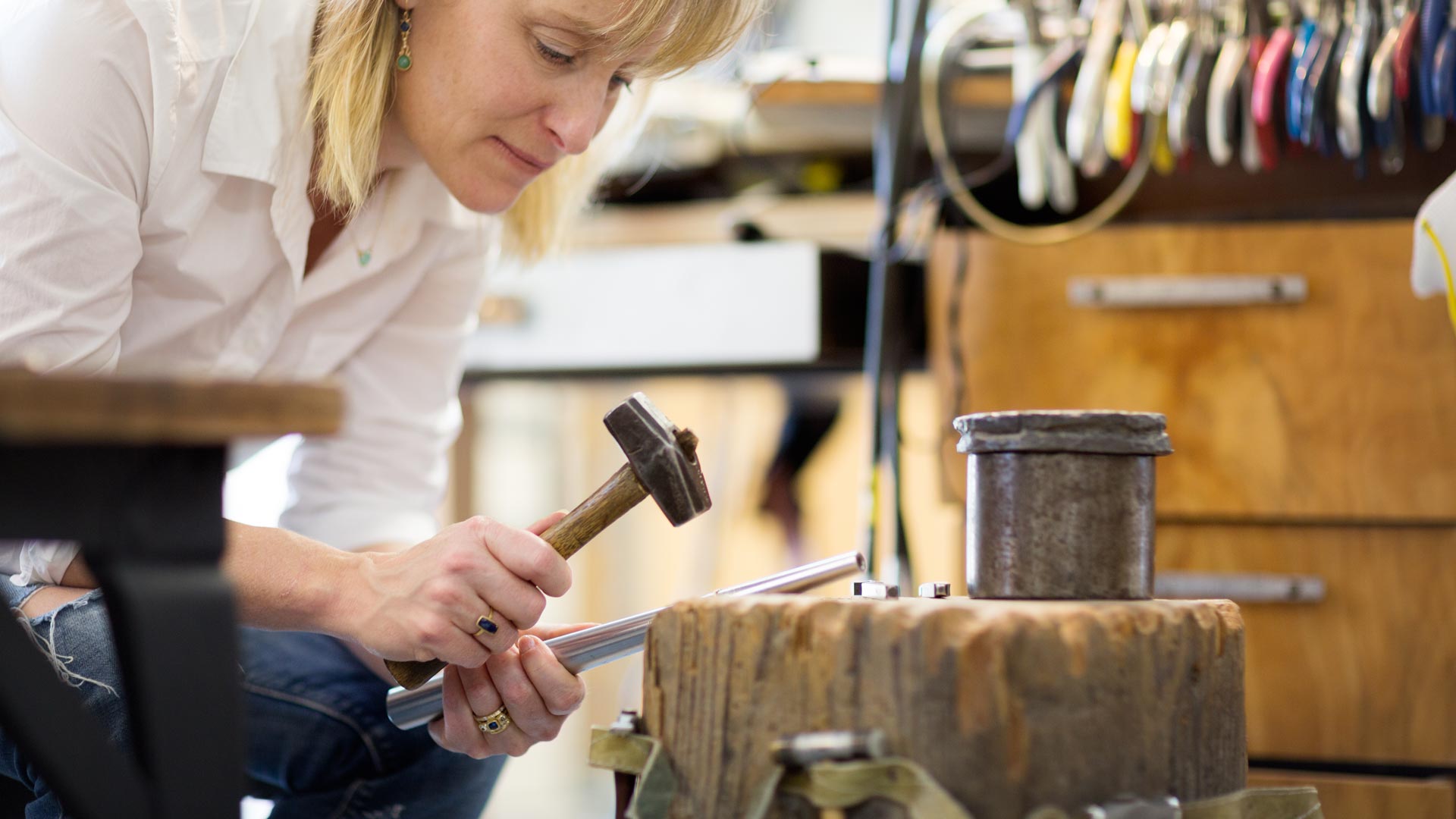
- Solder pieces together and set stones.
- Finish metals to smooth out rough surfaces or create textures.
- Clean and polish jewelry using polishing wheels and chemical baths.
- Repair jewelry by replacing broken clasps, altering ring sizes, or resetting stones.
- Compute the costs of labor and material for new pieces and repairs.
- Examine assembled or finished products to ensure quality results, using magnifying glasses or precision measuring instruments.
- Analyze jewelry taken in for a specific repair, to see if other repairs are needed. For example, a ring that needs to be sized up or down might also have worn-out prongs that need to be fixed. This kind of quality analysis is a very important part of the job.
It's a Great Living
Modern jewelers work both with their hands and with cool high-tech tools and machines, including computer-aided design programs. If that appeals to you, then being a jewelry maker may be a great way to earn a living.
- Schooling to learn a bench jeweler’s basic skills can be achieved in as little as 3-6 months, though some students attend longer programs. You avoid the costs of an expensive 4-year degree.
- After you’re employed, your education will continue as you work next to more experienced jewelers. Master jewelers generously share what they know, so your skills keep growing. That kind of continuous learning is what keeps a job interesting.
- A jewelry maker’s work is special. You get to create and repair valuable treasures that celebrate some of the happiest moments of people’s lives—when they fall in love, or get engaged and married, or have a child. Others want jewelry to celebrate a new job or a raise, or to simply treat themselves. You’re around for a lot of joy-filled occasions.
- When you learn to make jewelry, no one can ever take that away from you. It’s a profession and a set of skills you can carry anywhere, and that will always be in demand.
- Bench jewelers can go into business for themselves, designing and manufacturing collections, or creating custom jewelry for individual clients.
Jewelers in Demand
There’s a big demand today for skilled jewelers, as more people now want products that are customized for them and made in the USA. Also consider the following:
- Millions of folks are inheriting valuable jewelry and want to repurpose it, using the metals, diamonds, and gems to make something new. Jewelry is the original recyclable product!
- Baby Boomer bench jewelers and jewelry makers are beginning to retire—and their employers need new skilled workers.
- Although manufacturing jobs have declined in the past 30 years, there’s been a welcome upsurge in such work recently. Why? Overseas labor, shipping, and import costs are going up. American companies are finding that some highly skilled jobs are relatively more affordable to do in the U.S. again.